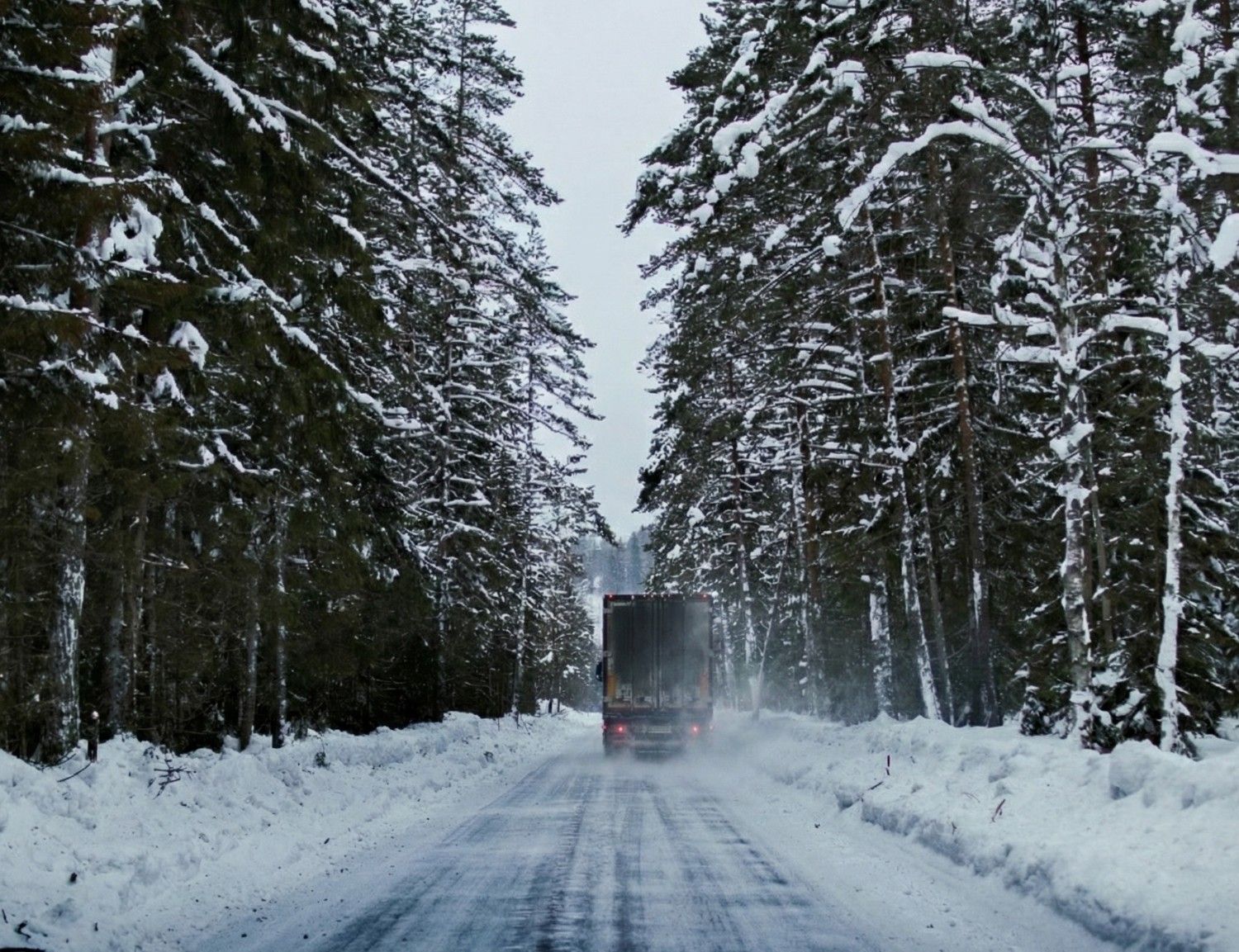
Cold weather can prove challenging for new commercial drivers.
Even if you've driven in winter weather with a Class-C license, those same roads as a commercial driver may present new challenges. According to the Department of Transportation, nearly a quarter of weather-related crashes occur on snowy, slushy, or icy roadways.
1. Research weather conditions when trip planning.
Before you even begin your trip, you should take the time to plan your route. In addition to accounting for potential road work or delays, you should also research the forecast for your trip. If you feel unprepared to drive in snow, consider avoiding routes that go through mountains. If there is a chance of a blizzard or other form of severe weather, check to make sure that you would have a place to stop until weather clears. While you can receive live weather updates using your radio or the National Weather Service, during your drive, giving yourself time to plan is still helpful.
2. Be more diligent during your pre-trip inspection.
Because of the added risk of driving on winter roads, you need to make sure your pre-trip inspection is thorough. Dress warmly and make sure you perform a full walk around your truck when you perform your inspection. Consider if it is necessary to adjust your fluids to address potential freezing.
Because of potentially slippery roads, your brakes and tires must be reliable. Look out for signs of wear and replace them if necessary. Make sure your lights are clear of obstructions and use a windshield scraper or defroster to ensure you can see the road ahead. As turning, slowing down, and stopping become more difficult on slippery roads, you need to make sure your freight is properly secured.
3. Make sure you have the proper equipment to drive safely.
The National Highway Traffic Safety Administration (NHTSA) recommends carrying items like snow shovels and sand in case your vehicle gets stuck. They also recommend keeping supplies in case of an emergency, such as food, water, blankets, and any prescribed medication so that you can stay safe until help arrives.
You should also consider carrying snow chains, even if you don't expect to drive in snowy conditions.
4. Be careful when you see snow or ice.
Snow and ice on the road can reduce friction and make it harder to turn, slow down or stop. Give yourself extra space to maneuver and don't follow too closely.
Even if there isn't visible snow on the road itself, pay attention during cold weather. You may encounter black ice, a clear layer of ice that can make a road slippery without warning.
5. Know when to pull over.
No freight shipment is worth a life. If the weather conditions are too severe for you to drive safely, you should find a place to stop until you can confidently continue your trip.
Even if you don't feel a need to stop for safety reasons, you should consider visiting truck stops to refuel or ensure your vehicle is still running properly.
For more information about safety practices and ensuring a successful trip, you can find more resources here, or contact our experts below.